





Corporate Conference Planning Checklist: A Timeline That Works
A good conference looks effortless on the day, but that's because the hard work happened months earlier. Whether you're planning a sales kick-off for 50 people or a national conference for several hundred, this timeline will help you stay ahead. It's based on what we've learned planning and producing conferences across Gauteng since 2006.
Four to six months before
- Set clear objectives. What should delegates know, feel or do when they leave? Everything else follows from this.
- Agree the budget and who signs off on it.
- Choose your dates. Check them against school holidays, public holidays, financial year-end and other industry events.
- Estimate numbers, including speakers, guests and staff.
- Shortlist venues. Consider location and access for your delegates. Centurion is popular for Gauteng events because it sits between Pretoria and Johannesburg. Check parking, breakaway rooms, accessibility and backup power.
- Book the venue and get the contract terms, cancellation policy and catering minimums in writing.
Three months before
- Confirm speakers and facilitators, and agree topics, session lengths and technical needs with each one.
- Draft the programme. Build in proper breaks. People need time to network, check emails and refuel.
- Plan your audio-visual requirements (see the AV checklist below) and book your supplier.
- Arrange accommodation for out-of-town delegates and speakers.
- Send save-the-dates or invitations, with a clear RSVP deadline.
- Decide on extras such as a gala dinner, a team building session or evening entertainment.
Six weeks before
- Finalise catering, including dietary requirements collected through your RSVPs.
- Arrange transport for airport transfers, shuttles or off-site activities.
- Order branding and print: banners, name tags, signage and delegate packs.
- Write the run-sheet: a minute-by-minute plan of the day showing who does what, and when.
- Brief your MC on the programme, speakers and any housekeeping announcements.
Two weeks before
- Confirm final numbers with the venue and caterer.
- Collect all presentations in the correct format, and load them onto one show laptop.
- Book a tech rehearsal or arrange a site visit with your AV team.
- Send delegates a final information pack covering directions, parking, dress code, Wi-Fi and the programme.
On the day
- Arrive early. Sound and visuals should be tested at least an hour or two before doors open.
- Check every microphone, the clicker and the presentation on screen, from the back of the room.
- Set up registration with name tags and a printed guest list.
- Keep the run-sheet handy and stay in touch with the AV technician and MC.
- Have backups ready: a spare laptop, spare batteries and presentations on a USB stick.
The audio-visual essentials
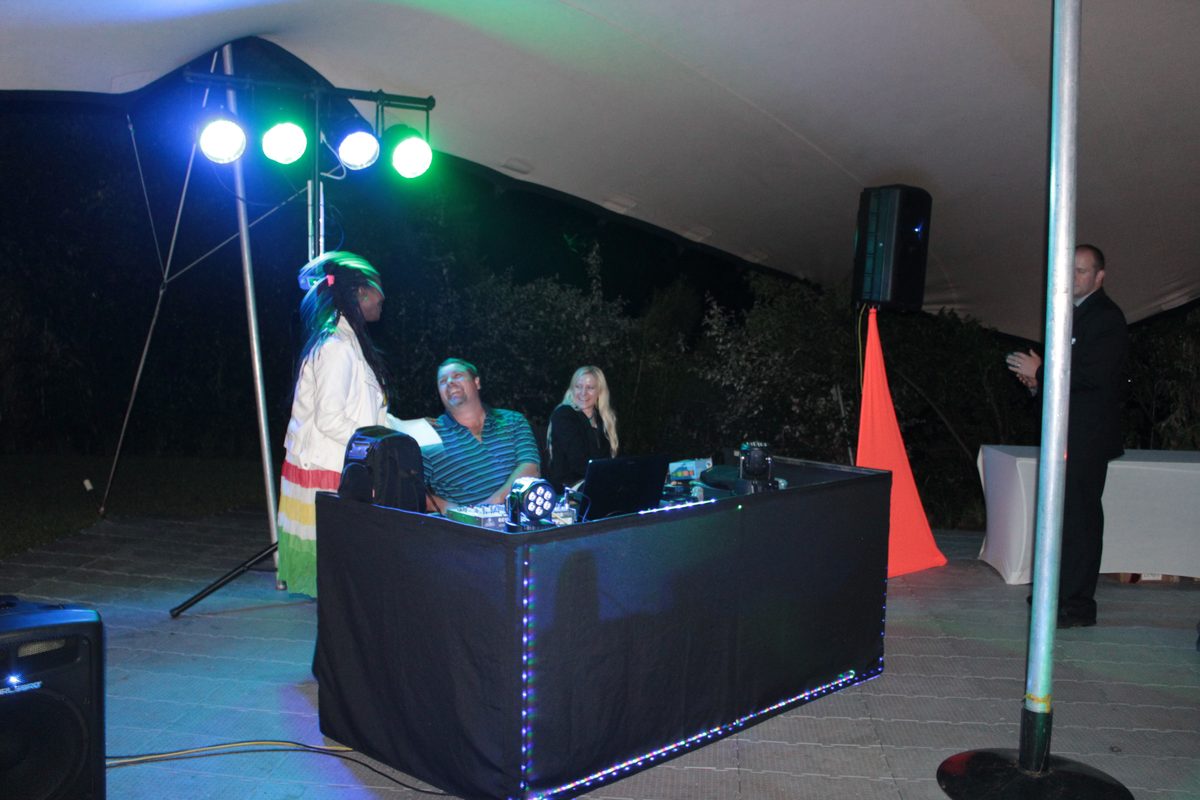
Poor sound or a presentation that won't load is the fastest way to lose a room. At a minimum, plan for:
- Screens or LED walls large enough to be read from the back row.
- A proper sound system, with handheld microphones for Q&A and lapel microphones for presenters who like to move.
- Stage lighting so speakers are clearly visible, which matters even more if you're filming or streaming.
- Streaming or recording if you have remote delegates or want to reuse the content.
- An on-site technician for the whole event, not just the set-up.
- Backup power for critical equipment.
Our audio visual hire and sound and lighting pages cover what we supply.
After the conference
- Send a feedback survey within 48 hours, while the event is fresh.
- Thank speakers, sponsors and your team.
- Share presentations, photos and recordings with delegates.
- Hold a debrief and note what to keep and what to change for next time.
Planning a conference is a big job, but you don't have to do it alone. We can help with everything from venue sourcing and AV production to team building and the evening's entertainment. Find out more about our conference planning services or get in touch.